
A house fire changes everything in a matter of minutes. One moment, life feels normal. The next, you’re standing outside, watching smoke rise, trying to process what just happened. In that chaos, one professional quietly becomes one of the most important people in your recovery: the fire insurance adjuster. This role is often misunderstood. Some homeowners assume the insurance company will handle everything fairly. Others don’t realize they even have options. The truth sits somewhere in the middle and it matters more than you think.
If you’re dealing with a fire damage insurance claim, understanding how a fire insurance adjuster works could mean the difference between a frustrating payout and a fully restored home. Let’s break it down.
What Is a Fire Insurance Adjuster?
A fire insurance adjuster is a professional responsible for evaluating fire-related damage, interpreting your insurance policy, and determining how much your claim is worth. Simple definition. Complex impact.
Definition and Core Responsibilities
At a high level, a fire insurance adjuster will:
- Inspect the property after a fire
- Assess structural and personal property damage
- Estimate repair or replacement costs
- Review your insurance policy coverage
- Help determine the claim payout
But here’s where it gets interesting: not all adjusters work for you.
Types of Adjusters You Should Know
There are three main types, and understanding the difference is critical.
- Insurance Company Adjuster
Employed directly by your insurer. Their goal is to protect the company’s financial interests. - Independent Adjuster
Contracted by insurance companies during high claim volumes. Still represents the insurer. - Public Adjuster
Works for you, the policyholder. Their job is to maximize your claim and ensure nothing is overlooked.
That last one? That’s where Waco Public Adjuster comes in.
What Does a Fire Insurance Adjuster Actually Do?
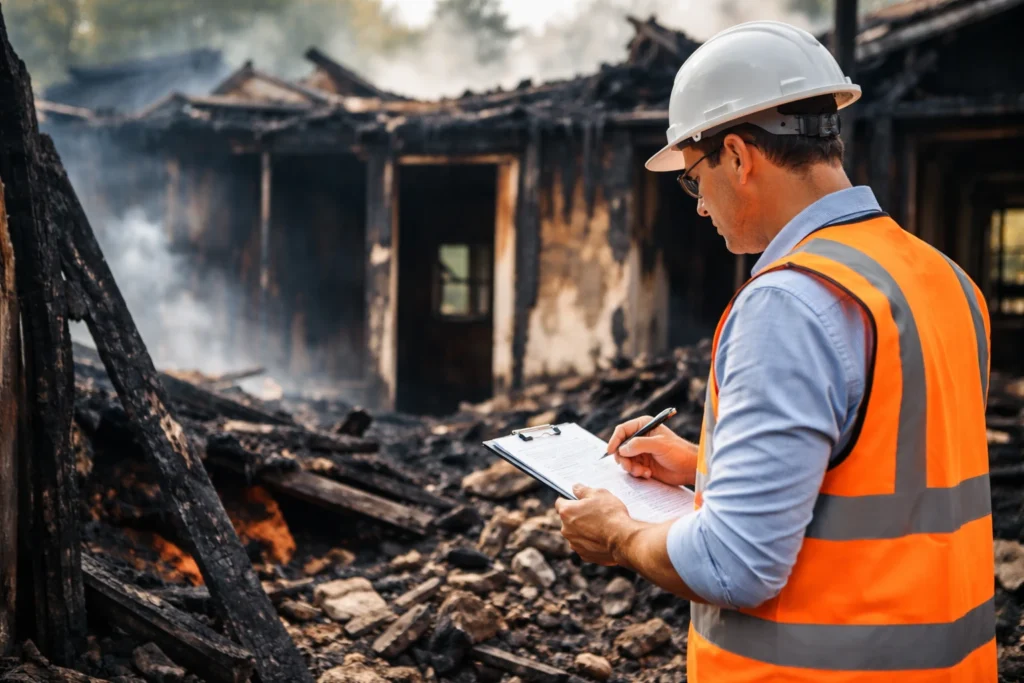
This isn’t just about walking through a burned structure with a clipboard. A skilled fire insurance adjuster builds your entire claim from the ground up.
Damage Inspection and Documentation
First comes the inspection. And it’s not just about what you can see.
A thorough adjuster evaluates:
- Structural damage (walls, roof, foundation)
- Smoke and soot infiltration
- Water damage from firefighting efforts
- HVAC contamination
- Hidden damage behind walls and ceilings
Small details matter. Miss one, and it could cost you thousands.
Claim Preparation and Filing
This is where most homeowners struggle.
A fire claim requires:
- Detailed itemized lists of damaged belongings
- Proof of ownership and value
- Repair estimates from contractors
- Photographic evidence
A strong claim isn’t guessed. It’s built line by line, item by item.
Negotiating With the Insurance Company
Here’s the reality: initial offers are often lower than they should be.
A fire insurance adjuster steps in to:
- Challenge undervalued estimates
- Present evidence-backed revisions
- Push for fair compensation
Negotiation is where claims are won or lost. And without experience, it’s easy to leave money on the table.
Why Hiring a Fire Insurance Adjuster Matters
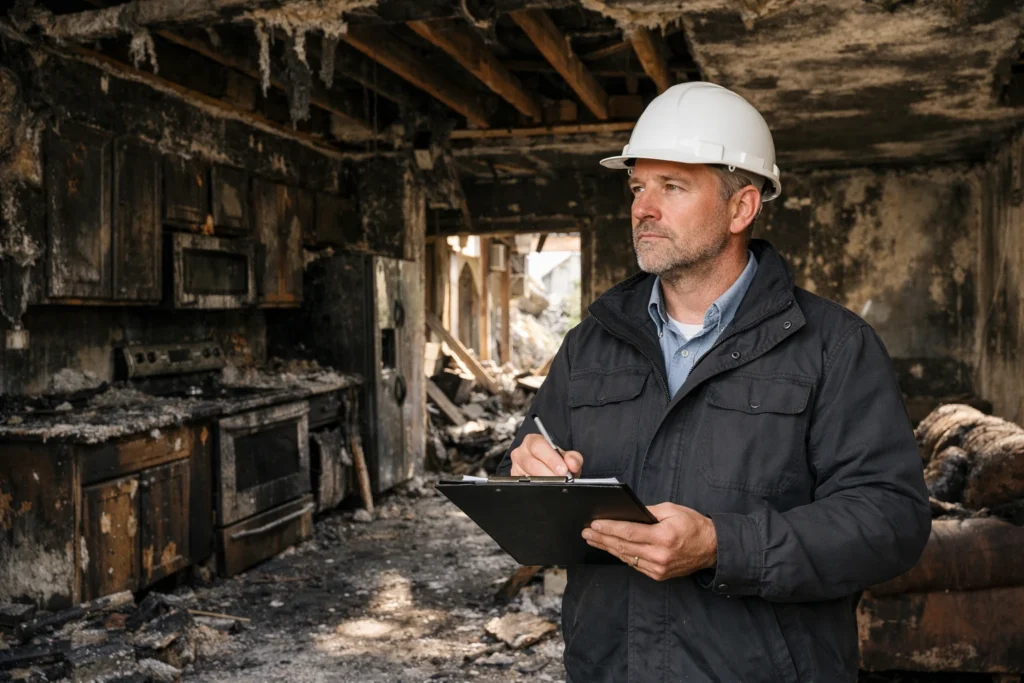
You’re not just filing paperwork. You’re protecting your financial recovery.
Leveling the Playing Field
Insurance companies have teams of experts. You should too. A fire insurance adjuster ensures you’re not navigating this process alone or at a disadvantage.
Maximizing Your Settlement
Hidden damage is common after fires. Especially:
- Smoke damage in insulation
- Electrical system compromise
- Structural weakening not visible at first glance
An experienced adjuster knows where to look. And how to prove it.
Saving Time and Reducing Stress
Let’s be honest. After a fire, your energy is limited.
Instead of juggling calls, emails, and documents, you can focus on your family while your adjuster handles the claim.
The Fire Insurance Claim Process Step-by-Step
Understanding the process removes uncertainty. It gives you control.
Step 1 – Immediate Actions After a Fire
Start here:
- Ensure everyone is safe
- Contact emergency services if needed
- Notify your insurance company
- Secure the property to prevent further damage
Do not rush into cleanup. Documentation comes first. Prematurely discarding damaged items can even lead to issues like Spoliation of evidence, which may weaken your claim if proof is lost.
Step 2 – Initial Inspection
An adjuster will visit your property.
What to expect:
- A walkthrough of the damage
- Questions about the fire and property
- Initial notes and photos
Tip: Have your own documentation ready. Don’t rely solely on theirs.
Step 3 – Documentation and Estimates
This step defines your claim value.
You’ll need:
- A complete inventory of damaged items
- Contractor repair estimates
- Receipts, if available
A fire insurance adjuster can organize and strengthen this entire process.
Step 4 – Claim Review and Negotiation
The insurance company reviews your claim.
Then comes:
- Initial offer
- Revisions
- Possible disputes
This is where professional representation becomes critical.
Step 5 – Settlement and Payout
Once agreed:
- Settlement is finalized
- Funds are disbursed
- Repairs or rebuilding begin
It sounds simple. It rarely is.
Common Challenges in Fire Damage Claims
Even straightforward claims hit obstacles.
Underestimated Damage
Smoke damage alone can spread through an entire home. It’s often underreported.
Policy Confusion
Insurance policies are dense. Coverage limits, exclusions, and conditions can be difficult to interpret.
Delays and Denials
Claims may stall due to:
- Missing documentation
- Disputes over value
- Questions about coverage
A strong claim reduces these risks.
Fire Insurance Adjuster vs Insurance Company Adjuster
Here’s a clear comparison:
| Feature | Public Adjuster | Insurance Adjuster |
| Who they represent | You (policyholder) | Insurance company |
| Goal | Maximize your payout | Control company costs |
| Payment | % of claim | Salary or contract |
| Approach | Detail-focused, client-driven | Company-guided |
When Should You Hire a Fire Insurance Adjuster?
Timing matters more than most people realize.
Immediately After the Fire
Early involvement means:
- Better documentation
- Stronger claim foundation
- Fewer mistakes
When the Claim Is Complex
Large losses. Total destruction. Multiple coverage categories. These situations demand expertise.
If You Receive a Low Settlement Offer
Red flags include:
- Offers that don’t cover full repairs
- Missing categories of damage
- Pressure to settle quickly
A fire insurance adjuster can reopen and renegotiate in many cases.
How to Choose the Right Fire Insurance Adjuster in Waco
Not all adjusters deliver the same results.
Check Licensing and Credentials
Make sure they are properly licensed in Texas. This is non-negotiable.
Look for Local Experience
Waco-specific knowledge matters:
- Local building costs
- Regional insurers
- Common claim patterns
Ask About Fees and Contracts
Most public adjusters work on a contingency basis.
That means:
- No upfront cost
- Payment is a percentage of your claim
Read Reviews and Testimonials
Look for consistency. Not just one or two good reviews, but a pattern of success.
Cost of Hiring a Fire Insurance Adjuster
This is one of the most common concerns.
Here’s the simple breakdown:
- Fees typically range from 5% to 15% of the claim payout
- No upfront payment in most cases
- Higher settlements often offset the fee
In many situations, homeowners walk away with significantly more even after paying the adjuster.
Tips to Strengthen Your Fire Insurance Claim
Want to protect your claim from the start? Do these.
- Take photos and videos immediately
- Keep all receipts related to repairs or temporary housing
- Do not discard damaged items until documented
- Keep a record of every conversation with your insurer
- Get professional help early
These steps are simple. Their impact is not.
Why Waco Public Adjuster Is Your Best Ally After a Fire

When you’re dealing with fire damage, local expertise makes a difference.
Waco Public Adjuster understands:
- Regional insurance practices
- Local construction costs
- The emotional and financial weight of fire loss
More importantly, they approach every claim with a clear goal: maximize your recovery while minimizing your stress. This isn’t just about numbers. It’s about helping you rebuild your life.
Conclusion
A fire doesn’t just damage a property. It disrupts everything. And while insurance is meant to help, the process can feel overwhelming without the right support. That’s where a fire insurance adjuster becomes essential. They bring clarity, strategy, and advocacy into a situation that desperately needs all three.
If you take one thing from this guide, let it be this: you don’t have to go through a fire insurance claim alone. The right help can change everything. And when it does, recovery doesn’t just feel possible it feels within reach.
FAQs
A fire insurance adjuster evaluates fire damage, reviews your policy, and determines how much your insurance claim should pay.
Yes, a public adjuster is a type of fire insurance adjuster who represents you, while insurance company adjusters work for the insurer.
You should hire one as soon as possible after a fire, especially before filing or negotiating your claim.
Most public adjusters charge a percentage of your final settlement, typically between 5% and 15%, with no upfront fees.
Yes, they often identify overlooked damages and negotiate with insurers to help maximize your settlement.
Claims can include structural damage, smoke and soot damage, water damage from firefighting, and loss of personal belongings.
It can take weeks to months depending on the complexity of the damage and how quickly documentation and negotiations are completed.
No, you can negotiate or seek help from a fire insurance adjuster if the offer seems too low.
Avoid throwing away damaged items or starting repairs before proper documentation, as this can weaken your claim.
Yes, they can review your case, gather additional evidence, and work to reopen or appeal a denied claim.