
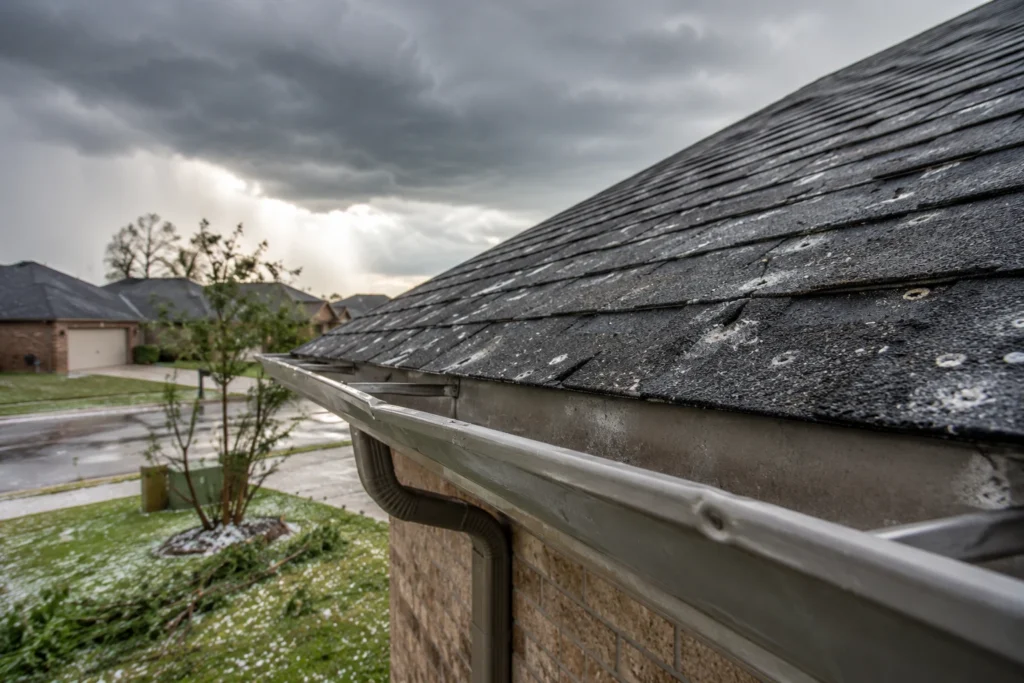
Hailstorms are a fact of life in Central Texas. When one rolls through Waco, it can leave behind far more than a few dents in gutters or scattered debris in the yard. Roof systems, siding, windows, HVAC equipment, and even interior finishes can suffer significant damage. That’s when homeowners often enter unfamiliar territory: the insurance claims process. One of the most important decisions a property owner can make after a storm is understanding the difference between a public adjuster and an insurance adjuster. In fact, the debate surrounding Public Adjuster vs. Insurance Adjuster for Hail Claims in Waco, TX can have a direct impact on the amount of money recovered, the quality of repairs completed, and the overall claim experience. Many people assume all adjusters serve the same purpose. They don’t. While both play important roles in the claims process, they represent very different interests. Understanding those differences can help homeowners make informed decisions and avoid costly mistakes after a hail event.
Why Hail Damage Claims Are So Common in Waco, Texas
Waco sits in a region that regularly experiences severe thunderstorms capable of producing large hail. Some storms pass quickly. Others leave a trail of extensive property damage throughout entire neighborhoods. The challenge is that hail damage is not always obvious. A roof can appear perfectly fine from the ground while sustaining significant impact damage that shortens its lifespan and increases the risk of future leaks. Many homeowners discover problems months later when water intrusion, shingle deterioration, or structural issues begin to emerge.
Common hail-related damages include:
- Shingle bruising
- Granule loss
- Cracked roofing materials
- Damaged flashing
- Dented gutters and downspouts
- Siding impacts
- Broken windows
- HVAC damage
- Interior water damage
Because repair costs can quickly reach tens of thousands of dollars, the outcome of the insurance claim becomes critically important.
Understanding the Insurance Claim Process After a Hailstorm
Before comparing adjusters, it helps to understand how a typical hail claim unfolds.
Step 1: Reporting the Loss
The process begins when the homeowner contacts their insurance company to report suspected hail damage. The carrier creates a claim file and assigns an adjuster.
Step 2: Property Inspection
An adjuster visits the property to inspect the reported damage. This inspection often becomes one of the most influential moments in the entire claim.
The findings gathered during this visit may determine:
- Scope of repairs
- Replacement eligibility
- Coverage decisions
- Settlement calculations
Step 3: Estimate Preparation
The adjuster documents damage and prepares an estimate outlining repair costs.
The estimate may include:
| Category | Potential Repairs |
|---|---|
| Roofing | Shingle replacement |
| Gutters | Dent repair |
| Siding | Panel replacement |
| Interior | Water damage repairs |
| HVAC | Component replacement |
Step 4: Claim Review
The insurance company reviews the estimate and policy provisions before issuing a settlement offer.
Step 5: Supplemental Claims
As repairs begin, contractors sometimes uncover additional damage. This often leads to supplemental requests. One common example involves Hail Damage Claim Supplements, where hidden damage is discovered after roofing materials are removed. These supplements can significantly affect the final settlement amount.
What Is an Insurance Adjuster?
When homeowners hear the word “adjuster,” they typically think of the person sent by their insurance company after a storm. That individual is usually either a staff adjuster or an independent adjuster working on behalf of the insurance carrier. Their responsibility is to investigate the loss and evaluate coverage under the policy.
Types of Insurance Adjusters
Staff Adjusters
Staff adjusters are direct employees of the insurance company. They handle claims exclusively for their employer.
Independent Adjusters
Independent adjusters are contracted by insurance companies, particularly during catastrophe situations when claim volume surges. Although independent adjusters are not employees of the carrier, they still represent the insurance company’s interests during the claim process.
What Insurance Adjusters Actually Do
Their responsibilities generally include:
- Inspecting damaged property
- Reviewing policy language
- Evaluating claimed damages
- Preparing repair estimates
- Determining coverage applicability
- Recommending settlement amounts
These duties are important. However, homeowners should understand one critical fact. Insurance adjusters do not work for the policyholder. They work for the insurance company.
That does not mean they are dishonest or unfair. Many are highly skilled professionals who strive to evaluate claims accurately. But their role is fundamentally different from someone hired specifically to advocate for the homeowner.
Advantages of Insurance Adjusters
There are legitimate benefits to working directly with the carrier’s adjuster.
These include:
- No out-of-pocket hiring cost
- Direct access to claim information
- Familiarity with company procedures
- Ability to begin the claim process quickly
For smaller, uncomplicated claims, these advantages may be sufficient.
Limitations Homeowners Should Understand
Insurance adjusters often manage large caseloads, especially following major hailstorms. In severe weather seasons, a single adjuster may inspect numerous properties every day. That creates challenges.
Time constraints can affect:
- Inspection duration
- Documentation depth
- Follow-up opportunities
- Supplemental reviews
The result isn’t necessarily intentional underpayment. Sometimes it’s simply a matter of workload and available information at the time of inspection.
What Is a Public Adjuster?
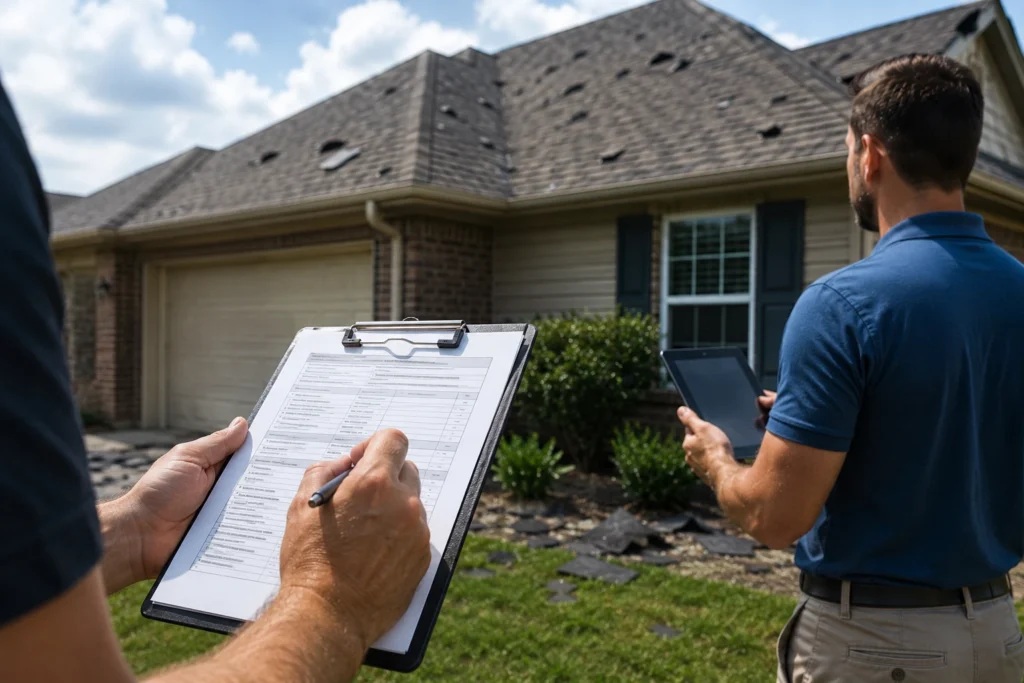
A public adjuster is a licensed insurance claims professional who represents policyholders rather than insurance companies. That distinction changes everything. Unlike carrier adjusters, public adjusters work exclusively for the property owner. Their objective is to help document damages, interpret policy provisions, prepare claim presentations, and negotiate settlements on behalf of the insured.
What Public Adjusters Do
A public adjuster’s work often extends far beyond a basic inspection.
Services may include:
- Reviewing insurance policies
- Conducting detailed property inspections
- Photographing and documenting damage
- Preparing comprehensive claim packages
- Developing repair scopes
- Evaluating settlement offers
- Negotiating with insurers
- Managing supplemental claims
In many cases, public adjusters spend substantially more time analyzing a property than the initial carrier inspection allows.
How Public Adjusters Are Paid
Most public adjusters operate on a contingency fee basis. This means compensation is typically tied to the amount recovered through the claim. If there is no recovery, there is generally no fee. Texas regulates public adjusters and requires licensing standards designed to protect consumers.
Benefits of Hiring a Public Adjuster
The primary advantage is representation. Many homeowners have never negotiated a major insurance claim before. Public adjusters handle claims professionally and understand how insurers evaluate losses.
Potential benefits include:
- More detailed claim documentation
- Reduced administrative burden
- Independent damage assessment
- Stronger claim presentation
- Improved communication management
For homeowners juggling work, family responsibilities, and storm recovery, this support can be valuable.
Potential Drawbacks
Public adjusters are not necessary for every claim.
Potential considerations include:
- Professional fees
- Additional coordination
- Not all claims require extensive negotiation
A straightforward claim that is promptly and fairly handled by the insurer may not justify outside representation. The key is evaluating the complexity of the loss rather than assuming every situation requires the same approach.
Public Adjuster vs. Insurance Adjuster: Side-by-Side Comparison
When comparing Public Adjuster vs. Insurance Adjuster for Hail Claims in Waco, TX, the most important distinction is representation.
Here is a simple breakdown:
| Factor | Public Adjuster | Insurance Adjuster |
|---|---|---|
| Represents | Homeowner | Insurance Company |
| Goal | Maximize covered recovery | Evaluate claim for carrier |
| Damage Investigation | Independent | Carrier-directed |
| Negotiation Role | Advocates for homeowner | Represents insurer |
| Compensation | Contingency fee | Paid by insurance company |
| Policy Review | For homeowner benefit | For carrier evaluation |
| Supplemental Claims | Actively pursues | Reviews submitted supplements |
This comparison highlights why many property owners choose to seek independent representation when facing substantial hail losses.
Where Public Adjusters and Insurance Adjusters Often Disagree
Not every claim dispute involves bad faith or misconduct. Most disagreements stem from differing interpretations of damage, scope, or repair requirements.
Roof Replacement Versus Repair
This is one of the most common disagreements in hail claims. An insurance adjuster may conclude a partial repair is sufficient. A public adjuster may argue the roof has sustained widespread impact damage requiring full replacement. The financial difference can be enormous. A repair costing a few thousand dollars may become a complete roof replacement worth tens of thousands.
Scope of Damage
Storms rarely damage only one component.
A roof impact event may also affect:
- Flashing
- Ridge caps
- Vents
- Gutters
- Window screens
- Siding
- Outdoor equipment
Public adjusters often perform broader evaluations designed to identify all covered damage.
Building Code Requirements
Another frequent point of disagreement involves building codes. Construction standards evolve over time. A roof installed 15 years ago may no longer meet current code requirements. When hail damage triggers replacement work, code upgrades may become necessary.
Examples include:
- Improved underlayment requirements
- Updated flashing standards
- Ventilation requirements
- Fastener specifications
A public adjuster may identify code-related expenses that were not initially included in the carrier’s estimate.
Matching Issues
Not all damage is structural. Appearance matters too. Suppose a hailstorm damages one elevation of siding, but the original material is no longer manufactured. Replacing only the damaged section could leave the home with noticeably mismatched exterior finishes.
Questions often arise regarding:
- Siding consistency
- Roofing appearance
- Paint matching
- Exterior aesthetics
These issues frequently require additional documentation and negotiation.
Supplemental Damage Discoveries
Storm damage is not always visible during an initial inspection.
As contractors begin repairs, they may uncover:
- Damaged decking
- Hidden moisture intrusion
- Structural deterioration
- Additional roofing impacts
Supplemental claims often become a major part of larger hail losses.
A Real-World Waco Hail Claim Scenario
To understand the practical difference between the two roles, consider a hypothetical situation involving a Waco homeowner.
Scenario A: Working Only With the Insurance Adjuster
Following a severe hailstorm, the homeowner files a claim. The insurance company schedules an inspection. The adjuster identifies damage to several roof slopes and prepares an estimate for limited repairs. The claim is approved. The homeowner initially feels relieved.
However, after meeting with contractors, concerns emerge. Additional impacts are discovered on other roof sections. Gutters show widespread damage. Several roof accessories also require replacement. Because these items were not included in the original estimate, the homeowner must either pursue supplements independently or absorb some costs personally.
Scenario B: Hiring a Public Adjuster
Now consider the same property with a public adjuster involved. The public adjuster conducts a detailed inspection before negotiations begin.
The investigation documents:
- Full roofing impacts
- Damaged flashing
- Gutter damage
- Vent damage
- Additional storm-related components
The claim package presented to the insurer contains comprehensive documentation, photographs, measurements, and supporting evidence. Negotiations occur before repairs begin. Additional items are included in the final settlement. The outcome may differ substantially because the scope of loss was more thoroughly documented from the beginning. The key lesson is not that every insurance adjuster misses damage. Rather, it demonstrates how representation and claim preparation can influence results.
When You May Not Need a Public Adjuster
There is a common misconception that every insurance claim requires professional representation. That’s simply not true. Some claims are relatively straightforward.
Examples may include:
- Minor cosmetic damage
- Small repair projects
- Limited property involvement
- Quickly resolved claims
If the insurance company conducts a thorough inspection, communicates effectively, and provides a fair settlement, additional representation may offer limited value. Property owners should evaluate each situation individually rather than assuming a one-size-fits-all solution.
When Hiring a Public Adjuster Makes Sense

Certain situations create a stronger case for professional advocacy.
Large Hail Losses
The larger the claim, the greater the financial stakes. When roof replacements, siding repairs, and interior restoration are involved, even small differences in scope can affect thousands of dollars.
Underpaid Claims
Sometimes homeowners receive settlement offers that appear inadequate compared to contractor estimates. This does not automatically mean the insurer acted improperly. However, it may indicate a need for independent review.
Denied Claims
Claim denials are particularly challenging.
A public adjuster can evaluate:
- Damage documentation
- Inspection findings
- Policy language
- Supporting evidence
This review may reveal opportunities for reconsideration or additional investigation.
Commercial Property Claims
Commercial losses often involve greater complexity.
Potential issues include:
- Multiple buildings
- Tenant improvements
- Business interruption concerns
- Specialized construction materials
These claims frequently require extensive documentation and negotiation.
Time Constraints
Managing a large claim requires significant effort.
Homeowners often spend hours:
- Reviewing estimates
- Responding to requests
- Scheduling inspections
- Communicating with contractors
A public adjuster can help manage these responsibilities.
Common Myths About Public Adjusters and Insurance Adjusters
Myth #1: Insurance Adjusters Work for Homeowners
This is perhaps the most common misunderstanding. Insurance adjusters evaluate claims on behalf of insurance companies. They are not personal advocates for policyholders.
Myth #2: Hiring a Public Adjuster Creates Conflict
Professional claim negotiation is not conflict.
It is simply part of the process.
Most claim discussions involve exchanging information, clarifying scope, and reaching agreement based on documented damages.
Myth #3: Public Adjusters Are Only for Massive Claims
While larger losses often benefit most from representation, smaller claims can also involve disputes regarding scope, coverage, or valuation.
Myth #4: Public Adjusters Can Create Coverage
No adjuster can rewrite an insurance policy. Coverage remains governed by policy language. A public adjuster can help identify covered damages but cannot create coverage where none exists.
Myth #5: Every Claim Needs a Public Adjuster
Not every claim requires outside representation.
The need depends on:
- Claim size
- Complexity
- Documentation challenges
- Settlement disputes
Questions Waco Homeowners Should Ask Before Making a Decision
Whether working directly with the insurer or considering a public adjuster, asking the right questions is essential.
Questions for the Insurance Adjuster
Consider asking:
- What damage was included in the estimate?
- What damage was excluded?
- How was repair versus replacement determined?
- Are supplements permitted if additional damage is discovered?
- How will depreciation be handled?
These questions can reveal important details about the claim.
Questions for a Public Adjuster
Homeowners evaluating public adjusters should ask:
- Are you licensed in Texas?
- How are fees calculated?
- What hail claim experience do you have?
- How often will updates be provided?
- How will negotiations be handled?
Transparency matters.
The answers should be clear and easy to understand.
How to Protect Your Hail Claim Regardless of Representation
Whether a homeowner chooses a public adjuster or works directly with the insurance company, several best practices can improve claim outcomes.
Document Damage Immediately
Time matters.
Photographs should be taken as soon as conditions are safe.
Capture:
- Roof impacts
- Gutter damage
- Siding dents
- Window damage
- Interior leaks
Maintain Detailed Records
Create a claim file that includes:
- Inspection reports
- Estimates
- Emails
- Text messages
- Receipts
- Claim correspondence
Organization often becomes a major advantage during claim review.
Obtain Independent Inspections
Even when an insurance inspection has already occurred, obtaining an independent roofing or property assessment can provide valuable information. Independent findings may identify issues that require additional review.
Review Estimates Carefully
Never assume every estimate includes all damages.
Compare contractor findings with insurer documentation.
Pay attention to:
- Missing line items
- Quantity discrepancies
- Code-related upgrades
- Accessory replacements
Understand Policy Deadlines
Insurance policies contain deadlines that may affect:
- Claim reporting
- Supplemental submissions
- Documentation requirements
Missing a deadline can create unnecessary complications.
Why Local Waco Experience Matters
One factor often overlooked in the discussion of Public Adjuster vs. Insurance Adjuster for Hail Claims in Waco, TX is local knowledge.
Waco properties face unique weather conditions.
Professionals familiar with Central Texas understand:
- Regional hail patterns
- Local construction methods
- Roofing systems common to the area
- Building code requirements
- Local contractor pricing trends
This knowledge can improve damage evaluation accuracy and help ensure estimates reflect real-world restoration costs.
Understanding Regional Construction Trends
Severe weather patterns can sometimes appear unpredictable, which is one reason meteorologists and researchers study concepts such as Chaos Theory when analyzing complex atmospheric systems. While homeowners don’t need a scientific background to file a claim, understanding that storm behavior can vary significantly helps explain why hail damage severity often differs from one neighborhood to the next. Many homes throughout Waco feature roofing systems and exterior materials common to Central Texas. A professional familiar with these systems may be better equipped to identify storm-related impacts and evaluate repair requirements accurately.
Familiarity With Local Weather Events
Large hail events often affect entire neighborhoods.
Professionals who routinely handle claims in the region understand how these storms typically damage property and what evidence supports those findings.
Final Verdict: Public Adjuster vs. Insurance Adjuster for Hail Claims in Waco, TX
When comparing Public Adjuster vs. Insurance Adjuster for Hail Claims in Waco, TX, the answer is not about choosing sides. Both professionals serve legitimate roles within the insurance claims process. Insurance adjusters investigate claims on behalf of insurance carriers. Public adjusters advocate for policyholders. The critical difference lies in representation.
Homeowners facing minor, uncomplicated losses may feel comfortable working directly with their insurer. Others dealing with significant roof damage, disputed estimates, denied claims, or complex restoration projects may benefit from independent professional assistance. The smartest approach is to evaluate the claim objectively. Review the damage.
Understand the policy. Ask questions. Seek expert guidance when necessary. Most importantly, avoid rushing to accept a settlement before fully understanding the extent of the loss. After a major hailstorm in Waco, taking the time to make informed decisions can have a lasting impact on both the recovery process and the financial outcome of the claim.
FAQs
A public adjuster represents the policyholder, while an insurance adjuster represents the insurance company during the claims process.
Not necessarily, but a public adjuster may identify additional covered damages and help ensure the claim is thoroughly documented.
Yes. Public adjusters in Texas must be licensed and regulated by the state.
Homeowners often consider hiring one when dealing with large losses, denied claims, underpaid settlements, or complex damage assessments.
Yes. A public adjuster can become involved after a claim has already been opened with the insurance company.
No. Insurance adjusters work for the insurance carrier and evaluate claims on the company’s behalf.
Hidden roof impacts, flashing damage, gutter damage, siding issues, and interior moisture intrusion are sometimes missed during initial inspections.
They are additional requests submitted when new storm-related damage is discovered after the original claim estimate has been prepared.
No. Smaller and straightforward claims may be resolved without outside representation, depending on the circumstances.
The timeline varies based on claim complexity, inspection schedules, documentation requirements, and whether disputes arise during the process.