
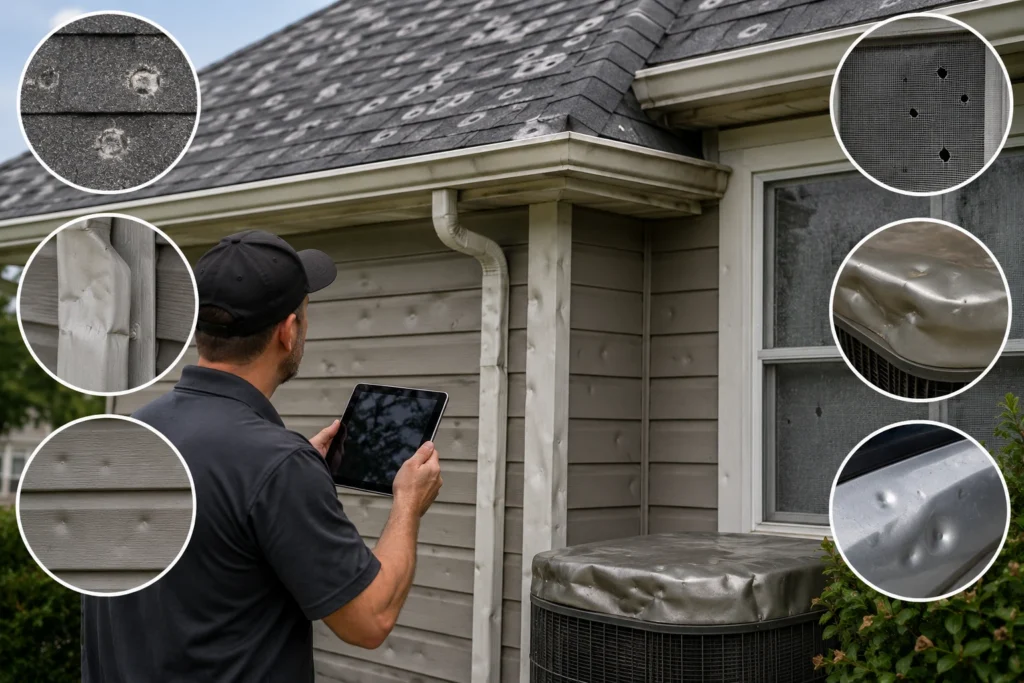
Most property owners believe the insurance estimate they receive after a hailstorm represents the complete cost of repairs. That assumption can be expensive. The reality is that Hail Damage Claim Supplements: What Carriers Miss in Their Scope is one of the most common issues encountered during property insurance claims. Initial estimates frequently omit important repair items, code-required upgrades, labor operations, and secondary damage that only become apparent after a thorough inspection.
The good news? A supplement exists specifically to address those omissions. When properly prepared and supported, a supplement can help ensure the scope of repairs reflects the actual damage present on the property. The key is understanding what was missed, why it was missed, and how those items should be documented. This is where Xactimate expertise becomes valuable. A claim is only as accurate as the scope behind it. Pricing matters. Documentation matters. But identifying every repair item often has the greatest impact on the final settlement. For homeowners dealing with hail losses in Waco, understanding supplements can mean the difference between a partial repair and a complete restoration.
What Is a Hail Damage Claim Supplement?
A supplement is a request to revise an existing insurance estimate after additional damage, required repairs, or overlooked costs are identified. Think of it as correcting an incomplete picture. The original estimate may have been prepared during a brief inspection. Adjusters often work under time constraints. Some damages are hidden. Certain repair requirements only become visible after materials are removed. As a result, supplements are a normal and expected part of many property claims. A supplement is not an argument. It is not a lawsuit. It is not a complaint. Instead, it is additional evidence supporting additional repairs.
Common reasons supplements occur include:
- Hidden storm damage
- Missing roofing components
- Building code requirements
- Additional labor charges
- Interior water damage
- Manufacturer installation requirements
- Safety-related work conditions
- Material matching issues
The goal is simple: create a complete scope of repairs.
Why Initial Carrier Estimates Are Often Incomplete
Insurance adjusters handle a tremendous number of claims. Following major hail events, that workload can become overwhelming. Even highly experienced adjusters may miss items during an inspection. Several factors contribute to incomplete estimates.
Limited Inspection Time
An adjuster may have only a short period to inspect an entire property.
During that time they must:
- Photograph damage
- Measure affected areas
- Evaluate coverage
- Document findings
- Prepare reports
That process leaves little room for extensive forensic analysis.
Hidden Damage
Some damage simply cannot be observed during an initial inspection.
Examples include:
| Hidden Damage Type | Why It Gets Missed |
|---|---|
| Underlayment damage | Located beneath roofing materials |
| Flashing damage | Often concealed |
| Moisture intrusion | May not be immediately visible |
| Structural movement | Requires further investigation |
| Ventilation damage | Hidden within roofing systems |
Incomplete Scope Development
Sometimes the damage is identified correctly. The issue is the estimate itself. The adjuster may recognize damaged roofing but fail to include every operation necessary to complete repairs properly. That distinction is important. Many underpaid claims are not pricing problems. They are scope problems.
Understanding Xactimate and Why It Matters
Xactimate is the estimating platform used throughout much of the property insurance industry. Insurance carriers use it. Contractors use it. Public adjusters use it. Restoration professionals use it.
The software provides pricing databases, labor calculations, material costs, and thousands of individual repair line items. However, Xactimate itself does not create accurate estimates. People do. The software only reflects what the estimator includes. That means an estimate can contain accurate pricing while still being incomplete.
Why Xactimate Expertise Matters
An experienced estimator understands more than software navigation. They understand construction. They understand repair sequencing. They understand local building requirements. Most importantly, they understand scope development.
A skilled Xactimate user asks:
- What must be repaired?
- What must be removed?
- What must be reset?
- What code upgrades apply?
- What labor operations are necessary?
Those questions often uncover substantial omissions.
The Difference Between Pricing and Scope
Many homeowners focus on dollar amounts. That makes sense. After all, the settlement amount directly affects repairs. But experienced claim professionals often focus somewhere else first. Scope.
Consider this example:
| Scenario | Estimate Amount |
|---|---|
| Incomplete scope with accurate pricing | $18,000 |
| Complete scope with accurate pricing | $29,000 |
The pricing database remained identical. The difference came from omitted repair items. This is why Hail Damage Claim Supplements: What Carriers Miss in Their Scope continues to be a critical issue in hail claims. The missing line items often create the largest discrepancies.
Roofing Components Frequently Missed During Hail Claims
Roof replacement involves far more than shingles. Many estimates include only the obvious materials while overlooking essential supporting components.
Starter Shingles
Starter shingles create the first layer along roof edges. They improve wind resistance and provide proper sealing. Many roofs cannot be installed according to manufacturer specifications without them. Yet starter courses are frequently omitted.
Ridge and Hip Caps
The ridge line often receives significant hail impacts. These specialized components differ from standard shingles. Replacement costs should be evaluated separately.
Drip Edge
Drip edge protects roof edges from water intrusion. Older roofs may not have compliant drip edge systems. New installations frequently require replacement.
Valleys
Roof valleys handle large volumes of water runoff. Damage to valley materials often accompanies hail impacts. Valley replacement costs are commonly overlooked.
Underlayment
Underlayment serves as a secondary water barrier. Its condition may not be fully visible until roofing materials are removed. When replacement becomes necessary, supplement requests often follow.
Flashing Components Commonly Omitted
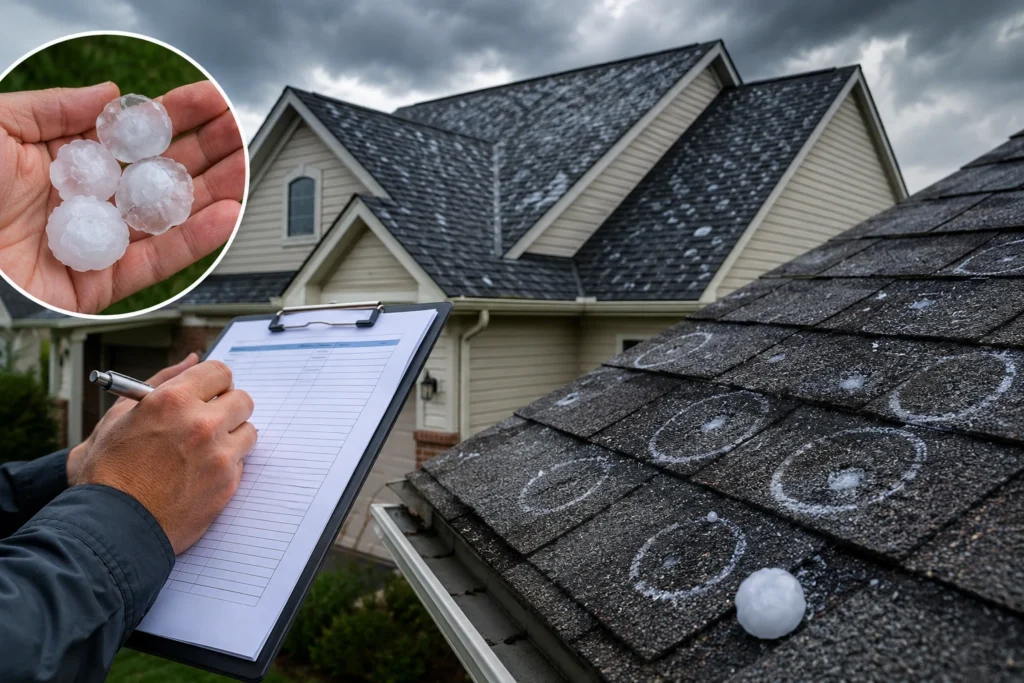
Flashing protects transitions and penetrations throughout the roofing system. These components play a critical role in preventing leaks. Yet they are frequently excluded from initial scopes.
Common flashing items include:
- Step flashing
- Counter flashing
- Headwall flashing
- Apron flashing
- Pipe flashing
- Chimney flashing
A roof replacement that ignores damaged flashing can leave the property vulnerable long after the claim closes.
Ventilation Systems Often Require Additional Review
Proper roof ventilation affects performance, energy efficiency, and moisture management. Hail damage can impact ventilation systems directly.
Replacement may be necessary for:
- Ridge vents
- Static vents
- Turbine vents
- Powered vents
- Exhaust vents
In many cases, ventilation components must also meet updated building requirements. That creates additional supplement opportunities.
Steep Roof and High Roof Charges
Not every roof is easy to access. Some properties require additional labor and safety precautions. These conditions increase repair costs.
Examples include:
Steep-Slope Roof Charges
Working on steep roofs requires:
- Additional safety equipment
- Increased labor time
- Specialized procedures
High Roof Charges
Multi-story structures often require:
- Extended ladders
- Additional setup
- Increased labor risk
When these conditions are not included in the original estimate, supplements become necessary.
Detach and Reset Operations
One of the most commonly missed categories involves detach-and-reset work. Many roofing systems contain accessories that must be temporarily removed before repairs can begin.
Examples include:
| Item | Typical Requirement |
|---|---|
| Satellite dishes | Remove and reinstall |
| Solar components | Detach and reset |
| Gutters | Partial removal |
| HVAC lines | Protection and repositioning |
| Exterior lighting | Temporary removal |
These operations require labor. Labor creates cost. Cost belongs in the scope. Yet these items are frequently overlooked.
Building Code Upgrades Can Significantly Impact Claim Value
One of the largest sources of supplemental claim payments comes from code compliance. Building standards evolve. What was acceptable twenty years ago may no longer satisfy current requirements. When damaged property must be repaired, compliance may become mandatory.
Examples include:
- Enhanced fastening requirements
- Updated ventilation standards
- Underlayment requirements
- Drip edge requirements
- Flashing standards
Ignoring code-related expenses creates substantial funding gaps.
Ordinance and Law Coverage
Many policies contain Ordinance and Law provisions. This coverage helps pay for increased costs associated with bringing repairs into compliance with current codes. Unfortunately, many homeowners never realize this coverage exists. As a result, potential benefits remain unused. A thorough supplement review often identifies these opportunities.
Manufacturer Requirements Matter Too
Building codes are not the only factor. Manufacturer installation requirements frequently influence repair scopes.
Roofing manufacturers specify:
- Fastener placement
- Nailing patterns
- Ventilation requirements
- Accessory installation procedures
Failure to follow those requirements may affect warranties and long-term performance. Accurate estimates should reflect these obligations. That is one reason why experienced Xactimate professionals review installation specifications alongside insurance estimates.
The Importance of Thorough Documentation
Evidence drives supplements. Not opinions. Not assumptions. Not frustration. Documentation.
Strong supplement packages often include:
- Detailed photographs
- Measurements
- Drone imagery
- Contractor reports
- Material specifications
- Building code references
- Moisture readings
- Inspection findings
The stronger the documentation, the stronger the supplement request. This principle applies whether the claim involves roofing, siding, gutters, or interior water damage. And it becomes even more important when disputes arise regarding scope completeness.
Hidden Hail Damage Beyond the Roof
When most people think about hail claims, they picture dented shingles. That’s understandable. The roof typically receives the most attention after a storm. However, focusing exclusively on roofing materials can cause substantial damage to be overlooked. This is one reason Hail Damage Claim Supplements: What Carriers Miss in Their Scope continues to be such an important topic for property owners and claim professionals alike. A complete inspection looks beyond the roof surface. It evaluates the entire property.
Gutters and Downspouts
Hail impacts frequently affect gutter systems. The damage may appear minor at first glance. Small dents. Surface marks. Slight deformation. But those impacts can affect drainage performance and aesthetics.
Items often overlooked include:
- Gutter sections
- Downspouts
- Elbows
- Splash blocks
- Gutter guards
- Fasteners
When replacement is justified, these components should be included in the repair scope.
Siding Damage
Siding claims can become complicated. Some impacts leave obvious fractures. Others create subtle bruising or cracking that worsens over time.
Materials commonly affected include:
- Vinyl siding
- Fiber cement siding
- Aluminum siding
- Engineered wood products
Matching issues can create additional challenges. A carrier may approve replacement of a damaged elevation while replacement materials are no longer available. In those situations, supplements may address broader replacement requirements.
Windows and Exterior Components
Hail can affect far more than roofing and siding.
Additional damaged items may include:
- Window screens
- Window wraps
- Glazing components
- Exterior lighting
- Mailboxes
- Fence caps
- HVAC condenser fins
Each item may seem insignificant individually. Collectively, they can represent thousands of dollars in additional repairs.
Interior Damage Frequently Missed During Initial Inspections
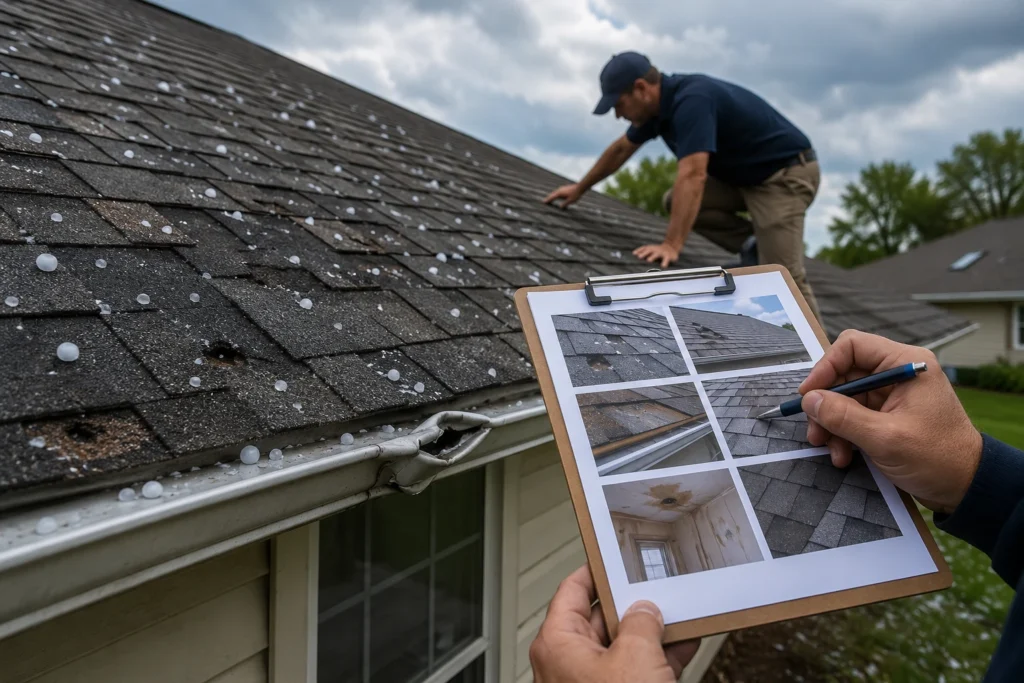
Some of the most expensive supplement opportunities originate inside the property.
Why?
Because interior damage often develops after the initial inspection. Water intrusion can be delayed. Stains may not appear immediately. Moisture can remain hidden behind building materials. A thorough claim review should evaluate interior conditions carefully.
Ceiling Damage
Water staining often appears first on ceilings.
Common repair requirements include:
- Drywall replacement
- Texture matching
- Primer application
- Repainting
Many estimates include only partial repairs.
However, achieving a consistent finish often requires additional work.
Wall Damage
Moisture can travel. Water entering through a roof assembly may migrate into walls before becoming visible.
Potential repairs include:
- Drywall replacement
- Insulation replacement
- Trim removal and replacement
- Painting
Flooring Damage
Water intrusion frequently affects flooring systems.
Potential issues include:
| Flooring Type | Possible Damage |
|---|---|
| Hardwood | Warping |
| Laminate | Swelling |
| Carpet | Contamination |
| Tile | Subfloor damage |
| Vinyl plank | Adhesive failure |
These conditions may not become apparent until days or weeks after the storm.
How Public Adjusters Build Strong Supplements Using Xactimate
Successful supplements rarely happen by accident. They result from systematic investigation and detailed documentation. An experienced professional approaches the property like a puzzle. Every damaged component matters. Every repair operation matters. Every missing line item matters.
Comprehensive Property Inspections
The process starts with inspection. Not a quick walk-around. A detailed review.
This often includes:
- Roof measurements
- Elevation inspections
- Interior evaluations
- Moisture testing
- Damage mapping
- Photographic documentation
The objective is simple. Identify everything.
Line-by-Line Estimate Analysis
Next comes comparison.
A skilled estimator reviews:
- Carrier estimate
- Contractor estimate
- Inspection findings
- Building requirements
The question becomes:
“What is missing?”
Sometimes the omissions are obvious. Sometimes they are buried within hundreds of estimate line items. Either way, careful review often reveals opportunities for correction.
Supporting Documentation
Insurance companies evaluate evidence.
Therefore, supplement requests should be supported by:
- Photographs
- Measurements
- Manufacturer specifications
- Contractor reports
- Code references
- Engineering opinions when necessary
Strong documentation reduces uncertainty. Reduced uncertainty often leads to faster resolution.
The Supplement Submission Process
Many homeowners imagine supplement requests trigger conflict. In reality, supplements are a routine part of property claims. The process is generally straightforward.
Step 1: Identify Missing Scope
The first step is determining what was omitted. This requires inspection and estimate review.
Step 2: Prepare Supporting Evidence
Documentation is assembled.
Photos. Reports. Measurements. Relevant code references.
Everything should support the requested changes.
Step 3: Submit the Supplement
The supplement package is provided to the carrier for review.
Step 4: Carrier Evaluation
The carrier may:
- Approve the supplement
- Partially approve the supplement
- Request additional information
- Schedule a reinspection
Step 5: Resolution
Once sufficient documentation is provided, revised payments may be issued when justified. The key is remaining focused on evidence rather than emotion.
Real-World Example of a Successful Supplement
Let’s consider a common scenario. A homeowner experiences a severe hailstorm. The insurance company inspects the property and issues an estimate totaling $18,400.
The carrier includes:
- Roof replacement
- Basic debris removal
- Limited gutter repairs
At first glance, everything appears reasonable.
A more detailed review tells a different story.
Items Missing From the Original Scope
The estimate omitted:
- Starter shingles
- Ridge cap replacement
- Step flashing
- Drip edge
- High-roof charges
- Detach and reset operations
- Additional gutter components
- Interior ceiling repairs
The property also required updated underlayment based on current requirements.
Supplement Development
Using Xactimate, each missing operation was documented and supported. Photos were attached. Measurements were verified. Repair requirements were explained. The supplement package demonstrated why the original estimate was incomplete.
Final Outcome
Following review, additional repairs were approved. The revised scope increased substantially. More importantly, the homeowner had sufficient funding to complete repairs properly. That is the purpose of supplementing. Not inflating costs. Not creating conflict. Simply ensuring the scope reflects reality.
Warning Signs Your Hail Claim May Be Under-Scoped
Property owners often ask whether their estimate is complete. While every claim is different, certain warning signs appear repeatedly.
Red Flag #1: The Contractor Disagrees With the Scope
If multiple contractors identify missing items, further review may be warranted.
Red Flag #2: Code Requirements Are Missing
Repairs must often comply with current requirements. If code upgrades were never discussed, additional investigation may be beneficial.
Red Flag #3: Flashing Is Not Addressed
Roofing projects frequently involve flashing replacement. Its absence can indicate an incomplete scope.
Red Flag #4: No Steep or High Charges Are Included
Complex roof access often requires additional labor. Missing charges may indicate omitted operations.
Red Flag #5: Interior Damage Was Not Evaluated
Water intrusion frequently accompanies hail-related roof damage. Interior spaces deserve inspection as well.
Questions Every Homeowner Should Ask
Before accepting a settlement, consider asking:
- Was every damaged component identified?
- Were code requirements evaluated?
- Were measurements verified?
- Were ventilation components inspected?
- Were flashing systems addressed?
- Were detach-and-reset operations included?
- Was interior damage investigated?
These questions often reveal important gaps.
What to Do If Your Hail Claim Was Denied in Waco, TX
Not every hail claim results in approval. Some are denied entirely. Others receive limited coverage. A denial does not automatically mean the investigation is over. In many situations, additional evidence can change the discussion.
Property owners should consider:
- Obtaining an independent inspection
- Reviewing carrier findings carefully
- Gathering additional documentation
- Identifying overlooked damage
- Requesting reconsideration when appropriate
The strength of the evidence matters. Well-supported documentation often carries significant weight.
Why Local Knowledge Matters
Construction practices vary. Weather patterns vary. Building requirements vary. Local experience helps identify these differences. For example, properties in Waco often experience hail events capable of causing widespread roofing and exterior damage. Understanding regional construction methods, repair pricing, and storm patterns can improve scope accuracy.This local perspective becomes especially valuable when supplementing complex claims.
A Lesson From an Unrelated Technical Field
Complex systems often fail when small components are overlooked. The same principle appears in fields ranging from construction to advanced mathematics. Consider the concept of Cryptanalysis, the study of analyzing coded information. A single overlooked detail can completely change the outcome.
Property claims work similarly. One missed flashing component. One overlooked code upgrade. One omitted labor operation. Small details can create substantial differences in results.
Why Accurate Scope Development Matters More Than Ever
The property restoration industry has become increasingly sophisticated. Repair requirements continue to evolve. Building codes change. Manufacturers update installation procedures. Construction costs fluctuate. As a result, accurate scope development has never been more important. The days of evaluating a hail claim based solely on visible shingles are long gone.
Modern claim reviews require a comprehensive understanding of:
- Construction methods
- Repair sequencing
- Building requirements
- Documentation standards
- Estimating systems
That is precisely why Hail Damage Claim Supplements: What Carriers Miss in Their Scope remains such a critical issue for homeowners and claim professionals.
Conclusion
Insurance estimates serve an important purpose. They establish a starting point. They do not always establish the final scope. Hail claims frequently involve hidden damage, omitted repair operations, code-related upgrades, and secondary losses that emerge only after closer investigation. When these items are overlooked, supplements help bridge the gap between an incomplete estimate and the actual cost of restoring the property.
The most successful supplements rely on facts. Photographs. Measurements. Construction knowledge. And accurate Xactimate scope development. For property owners in Waco, understanding how supplements work can make a significant difference in the outcome of a hail claim. Every line item matters. Every repair operation matters. And when the scope is complete, the restoration process becomes far more likely to achieve the result it was intended to deliver from the start.
FAQs
The timeline varies by carrier and claim complexity, but many supplements are reviewed within a few weeks after submission.
A supplement is a request for additional payment when repairs, damages, or costs were omitted from the original insurance estimate.
Yes. If additional covered damages or required repairs are documented, the carrier may issue additional payments.
Adjusters often work under time constraints, and some damage may be hidden or not visible during the initial inspection.
Yes. Xactimate is one of the most widely used estimating platforms in the property insurance industry.
Starter shingles, ridge caps, flashing, drip edge, underlayment, and ventilation components are frequently overlooked.
Yes. If current building codes require additional work during repairs, those costs may be eligible depending on policy coverage.
Photographs, measurements, contractor reports, code references, and manufacturer specifications can strengthen a supplement submission.
Yes. If interior damage becomes visible later and is related to the covered loss, it may be included through a supplement.
Not necessarily. It is often beneficial to review the estimate carefully to ensure all damaged components and repair requirements are included.